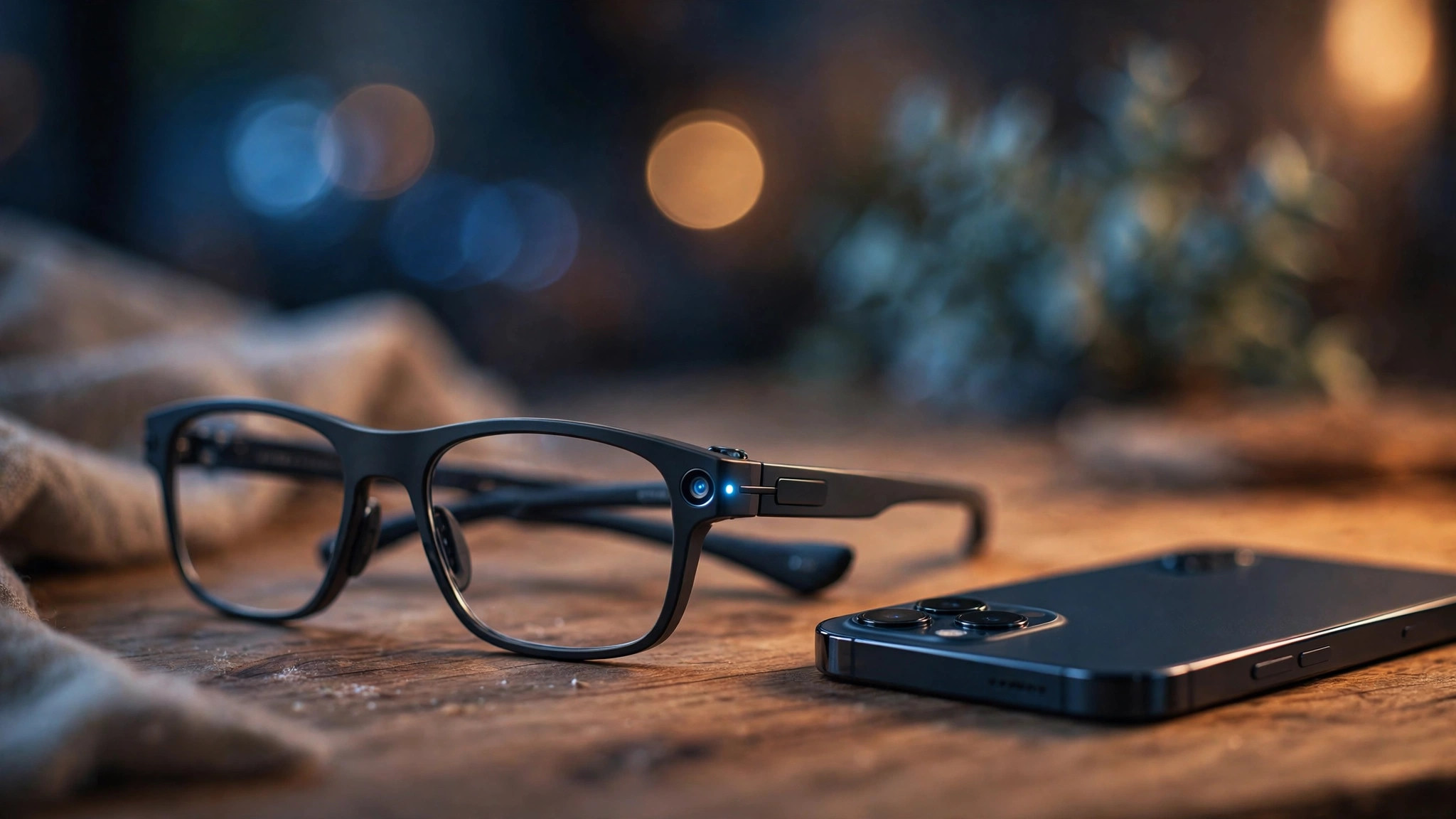
Wearing smart glasses is legal almost everywhere — recording people without their knowledge usually isn't. Norway has proposed a temporary ban in schools, gyms, beaches, and other public places, and the EU and UK are reviewing rules. The core problem: a camera hidden in ordinary-looking glasses.
Picture this: you're at the gym, and the person on the next bench is wearing what look like normal glasses. Except they might be filming you. You'd never know.
That's the scenario worrying governments. In early October 2026, Norway became the first country to propose a temporary ban on AI smart glasses in certain public places — schools, gyms, beaches, parks, hospitals, and shopping centers. It's not law yet, but the debate is spreading: the UK has a petition with over 10,000 signatures, and the EU is reviewing rules.
So are smart glasses legal? It depends on where you are — and mostly on what you do with them.
What exactly are smart glasses?
Smart glasses look like ordinary spectacles but pack a camera, microphones, speakers, and an AI assistant into the frame. The big name is Meta's Ray-Ban smart glasses — over 9 million pairs have sold since early 2023. You can take photos, record video, livestream, make calls, and ask the built-in AI questions, all hands-free.
Google and Snap are preparing rival versions. This isn't a niche gadget anymore. If you want the bigger picture on where wearables are heading, see our 2026 gadgets roundup.
Why are governments suddenly worried?
Here's the thing: phones have cameras too, and nobody's banning those. The difference is discretion. When someone holds up a phone, you know you're being filmed. Smart glasses erase that signal.
Norway's digitalisation minister put it bluntly: with wearables, "you never know if you're being recorded." His concern is that people stop being themselves in public spaces because they can't tell who's watching.
The worry isn't theoretical. France's child-safety hotline has flagged videos recorded with camera glasses and shared online, and a Dutch optician chain stopped selling Meta's Ray-Bans this month over privacy concerns.
Are smart glasses legal in the US and UK?
Wearing them? Yes, in almost all cases. Recording with them? That's where it gets complicated:
| Place / situation | Status |
|---|---|
| Wearing smart glasses in public (US, UK, EU) | Legal — no country bans the device itself |
| Recording in schools | Oslo has banned camera glasses in schools; many schools worldwide prohibit recording devices |
| Gyms, pools, changing rooms | Widely banned by venue rules; Norway's proposal would make it law in some places |
| UK & US courtrooms | Recording devices already restricted |
| California | Governor vetoed a 2026 bill penalizing non-consensual recording in changing rooms and clinics |
| Norway (proposed) | Temporary ban in parks, beaches, museums, schools, healthcare — not yet law, needs parliament |
The UK situation is worth watching: a "Stop Smart Glasses" campaign across Britain and Ireland gathered over 10,000 signatures, forcing a formal government response. For more on your digital rights, check our online safety guide.
If you own smart glasses, assume every venue has its own policy. Cinemas, pubs, and restaurants were banning Google Glass back in 2014 — and those bans never went away. When in doubt, take them off. It's the simplest way to avoid an awkward confrontation.
Does the recording light actually help?
Meta's main defense is a small LED on the front that blinks while recording. The company says it can't be switched off, and the camera disables itself if you cover it.
Honestly? It's better than nothing, but it's a weak safeguard. The light is tiny and easy to miss in daylight. It doesn't tell bystanders whether audio is being captured or footage livestreamed. A warning nobody notices isn't really a warning.
What can you do if someone records you without consent?
If you suspect someone is filming you with smart glasses and you're uncomfortable:
- Ask directly. "Are those recording right now?" Most people will stop.
- Ask them to delete it — especially in private settings.
- Tell venue staff. Gyms, pools, and schools take this seriously.
- Report it. Non-consensual recording in changing rooms or clinics is a police matter in most places.
The bottom line
Smart glasses aren't going away — the technology will only get smaller and cheaper, and Norway's proposal probably won't be the last. Expect more countries to draw lines around schools, gyms, and other sensitive places.
Our take: the devices are genuinely useful — hands-free photos, live translation, accessibility features. But the current rules were written for phones, not faces with cameras. Until the law catches up, wearers need to be considerate and the rest of us need to know our rights. For more on AI's direction, see our look at AI's everyday future.
Frequently asked questions
Are smart glasses legal to wear in public?
Yes, in most places. What's regulated is recording: filming people without consent in private or semi-private settings can break privacy laws in the US, UK, and EU. Norway has proposed a temporary ban in certain public places, but it isn't law yet.
How do you know if smart glasses are recording you?
Meta's Ray-Ban smart glasses have a small LED light on the front that blinks while recording, and the company says it can't be switched off. But the light is tiny, easy to miss in daylight, and doesn't tell you whether audio is being captured or livestreamed.
Can smart glasses record in schools, gyms, or hospitals?
Many venues already ban them: Oslo has banned camera glasses in schools, and gyms, pools, and changing rooms commonly prohibit any recording devices. Norway's proposal would extend temporary restrictions to parks, beaches, and healthcare facilities.
What should I do if someone records me with smart glasses without consent?
Ask them to stop and delete the footage. If they refuse, report it to venue staff or the police — non-consensual recording in private settings is covered by privacy laws in most countries.